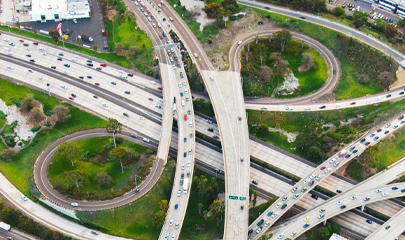




Reconnecting Communities

The Reconnecting Communities program focuses on identifying and addressing barriers created by transportation infrastructure in historically underserved communities with the goal of improving access to jobs, education, healthcare, and recreation across the San Diego region. This work is carried out through planning studies that explore projects related to transportation, housing, green spaces, and other community-based solutions that support community reconnection.

Regional Reconnecting Communities Study

The Reconnecting Communities Study (RCC Study) is a regionwide study to understand where highway and rail transportation infrastructure has created barriers and negatively impacted communities. 

This final report from this study will outline proposed solutions for seven focus areas and allow cities and partner agencies to pursue future funding opportunities for design and construction.

The study’s goals are to identify community-centered solutions that:

  • Reconnect communities impacted by past transportation infrastructure decisions
  • Reduce the barriers created by highways and railroads in communities
  • Enhance people’s connections to key community destinations

The identified solutions will benefit focus area communities by:

  • Enhancing walking, biking, and other travel options across highway and railroad barriers that reduce safety concerns and traffic conflicts
  • Creating safer and more comfortable connections across highways and railroads and supporting seamless travel between neighborhoods
  • Improving economic opportunities and reconnection of people to community services and amenities

This study will also help the entire region by identifying improvements that might be used in other communities experiencing similar barriers.


SANDAG, in partnership with Caltrans, will study seven focus areas within communities in the San Diego region including:

  • Vista
  • Escondido
  • El Cajon
  • Lemon Grove and La Mesa
  • National City
  • Southeastern San Diego
  • Barrio Logan and Logan Heights

The focus areas were chosen using factors such as mobility, travel behavior, socioeconomic status, health, and safety data.

  • Project kickoff (winter 2026)
  • Outreach and engagement (winter 2026)
  • Solutions development and prioritization (winter/spring 2026)
  • Final report (summer 2026)

After the solutions are chosen, we will review and finalize the draft solutions using technical analysis and feedback from local city staff, Caltrans staff, community-based organizations (CBOs), and community members. The final report containing the proposed solutions will be developed by summer 2026. With the information from that report, cities and agencies can seek funding to design and construct the proposed solutions through grants and other funding sources.

The study will outline a variety of solutions, including but not limited to:

  • Enhanced lighting
  • Beautification of space (art)
  • Intersection and at-grade crossings
  • Placemaking strategies
  • Transit priority improvements
  • Grade separation improvements
  • Enhanced pedestrian and bicycle infrastructure

For more information, email reconnect@sandag.org.